
Hair Thinning After 30? Understanding Hair Loss from a TCM Perspective

Noticing more hair on your pillow, in the shower drain or on your hairbrush?
If your hair seems to be getting thinner after 30, you're not alone. Hair thinning and hair loss can become more noticeable with age, and factors such as genetics, hormones, stress, nutrition and lifestyle can all play a role.
But what causes hair thinning after 30? And can TCM help support healthier hair?
Let's take a closer look at hair loss from both a modern and TCM perspective.
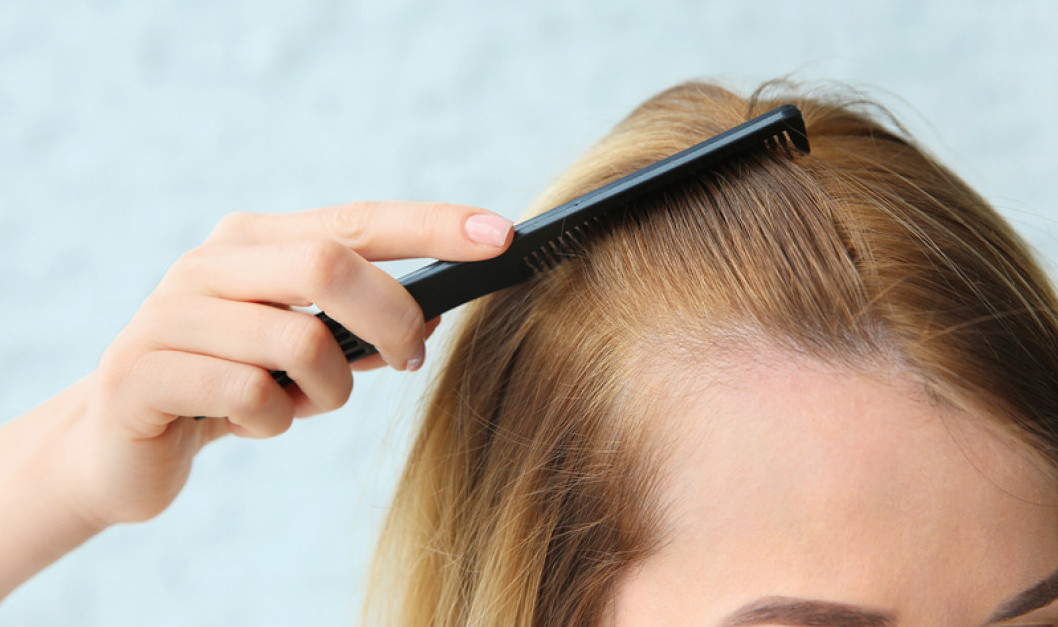
Why Does Hair Start Thinning After 30?
Hair naturally goes through a continuous growth cycle. Each individual hair follicle goes through phases of growth, transition, resting and shedding.
As we age, changes in the hair growth cycle can contribute to thinner hair, slower growth and increased shedding.
However, age itself isn't necessarily the only reason your hair is thinning.
Other factors may include:
Hormonal changes
Genetic predisposition
Chronic stress
Poor sleep
Nutritional deficiencies
Rapid weight loss
Certain medications
Illness or other underlying health conditions
This is why identifying the potential cause of hair loss is an important first step.
Hormones and Hair Thinning
Hormones can play an important role in hair loss.
One hormone often discussed in relation to hair thinning is dihydrotestosterone (DHT). In people who are genetically susceptible, DHT can cause certain hair follicles to gradually become smaller.
This process, known as follicular miniaturisation, can result in:
Finer hair strands
A shorter growth phase
Less hair coverage
A gradually receding hairline or widening part
This type of hair loss is commonly associated with androgenetic alopecia, also known as male or female pattern hair loss.
If you notice progressive hair thinning, especially around the hairline, crown or parting, professional assessment can help determine the likely cause.
Can Stress Cause Hair Loss?
Yes, significant or prolonged stress can affect the hair growth cycle.
Stress may cause more hairs to enter the resting or shedding phase, potentially resulting in noticeable hair shedding several weeks or months after a stressful period.
You may notice:
More hair falling out when washing your hair
Increased shedding when brushing
Overall thinning rather than a single bald patch
Stress can also indirectly affect hair health by disrupting sleep, appetite, nutrition and daily routines.
If your hair shedding started after a particularly stressful period, it is worth discussing with a healthcare professional.
Does Nutrition Affect Hair Growth?
Your hair needs adequate nutrients to grow normally.
Nutrients such as protein, iron, zinc and certain vitamins play important roles in maintaining healthy hair and follicles.
Inadequate nutrition, restrictive diets or rapid weight loss may contribute to increased hair shedding in some people.
This does not mean taking more supplements will automatically make your hair grow faster.
If you suspect a nutritional deficiency, appropriate medical assessment and testing may be more useful than randomly taking hair supplements.
Hair Loss from a TCM Perspective
Traditional Chinese Medicine views hair health differently from Western medicine.
In TCM theory, "the Kidneys store Jing (Essence)", while "the Liver stores Blood." Hair is traditionally associated with the nourishment provided by Kidney Essence and Liver Blood.
When the body is depleted or these systems are considered imbalanced, a TCM physician may associate this with symptoms such as:
Hair thinning
Excessive hair shedding
Brittle or weak hair
Premature greying
Fatigue
Poor sleep
Other signs of Qi and Blood deficiency
TCM does not assume that every person experiencing hair loss has the same pattern.
A TCM physician considers your overall constitution, symptoms, lifestyle, digestion, sleep and other health factors before determining an appropriate treatment approach.
What Does "Kidney Essence" Have to Do With Hair?
One of the commonly discussed TCM concepts relating to hair is Kidney Essence (Jing).
In TCM theory, Jing is associated with growth, development and ageing.
As we age, Jing naturally declines. This is one reason why age-related changes such as hair thinning and greying may be viewed as part of the body's natural ageing process.
However, TCM may also consider whether factors such as chronic stress, overwork, poor nutrition or inadequate rest are contributing to a person's overall state of depletion.
What Does Liver Blood Have to Do With Hair?
In TCM theory, the Liver stores Blood, and Blood is considered important for nourishing the body's tissues.
When there is insufficient Blood or poor circulation according to a TCM pattern, a person may experience symptoms that include:
Dry or brittle hair
Hair thinning
Dizziness
Fatigue
Pale complexion
Menstrual irregularities in some women
This is why a TCM consultation for hair loss may involve much more than examining the scalp.
The physician looks at the whole body, rather than treating the hair as an isolated problem.
Can TCM Help With Hair Loss?
TCM treatment for hair loss is generally focused on addressing the underlying pattern identified during consultation.
Depending on the individual's condition, treatment may include:
Chinese Herbal Medicine
A personalised herbal formula may be prescribed to support patterns associated with Qi, Blood, Yin, Yang or Kidney Essence deficiency.
The specific herbs used vary from person to person.
Acupuncture
Acupuncture may be used as part of an overall treatment plan to support circulation and regulate the body's functions according to TCM principles.
Lifestyle and Dietary Guidance
A TCM physician may also recommend adjustments to sleep, stress management, diet and daily habits that could support overall wellbeing.
The goal is not simply to "grow more hair", but to support the body's overall balance and health.
Why Yong Kang TCM Looks Beyond the Hair
Hair loss can have many different causes, which is why simply treating the scalp may not always address the bigger picture.
At Yong Kang TCM, the approach begins with a consultation.
Step 1: Consultation
Your physician discusses your hair loss, symptoms, lifestyle, sleep, diet and other relevant health concerns.
Step 2: Overall Health Assessment
Rather than focusing only on the scalp, the physician considers your overall condition and TCM constitution.
Step 3: Personalised Diagnosis and Treatment
Based on the assessment, an appropriate treatment plan may be recommended to address the underlying TCM pattern that may be contributing to your symptoms.
This may include Chinese herbal medicine, acupuncture or other appropriate TCM therapies.
When Should You See a Doctor About Hair Loss?
Not all hair loss is simply part of ageing.
You should consider seeking professional medical assessment if you experience:
Sudden or rapid hair loss
Bald patches
Significant scalp itching, redness or inflammation
Hair loss accompanied by other unexplained symptoms
Excessive shedding that continues for several months
Hair loss after starting a new medication
Noticeable thinning that is progressively getting worse
Some types of hair loss can be associated with underlying medical or hormonal conditions, so it is important not to rely solely on self-diagnosis.
Can You Prevent Hair Thinning After 30?
You cannot control every factor involved in hair loss, particularly genetics and natural ageing.
However, you can support overall hair and body health by:
Eating a balanced diet with adequate protein
Getting sufficient sleep
Managing chronic stress
Avoiding crash diets and rapid weight loss
Being gentle when brushing and styling your hair
Avoiding excessive heat and chemical treatments
Seeking professional advice when persistent hair loss occurs
Your hair is part of your overall health — and sometimes changes in your hair can be a reason to take a closer look at your wellbeing.
Hair Health Starts From Within
Hair thinning after 30 can be frustrating, but it doesn't necessarily mean that you're simply "getting old."
From a modern perspective, hormones, genetics, stress, nutrition and ageing can all influence hair growth. From a TCM perspective, hair is closely associated with Kidney Essence, Liver Blood, Qi and overall nourishment.
There isn't one solution that works for everyone.
At Yong Kang TCM, our registered TCM physicians take a personalised approach to understanding your constitution and overall health before recommending appropriate treatment.
If you've noticed increased hair shedding, thinning hair or changes in hair quality, don't wait until the problem becomes more noticeable.
Start by understanding what your body may be telling you.
For informational purposes only. TCM treatment and herbal prescriptions should be personalised by a registered TCM physician. Hair loss can have multiple causes. If you experience sudden, severe or unexplained hair loss, please seek appropriate medical assessment.
Comments